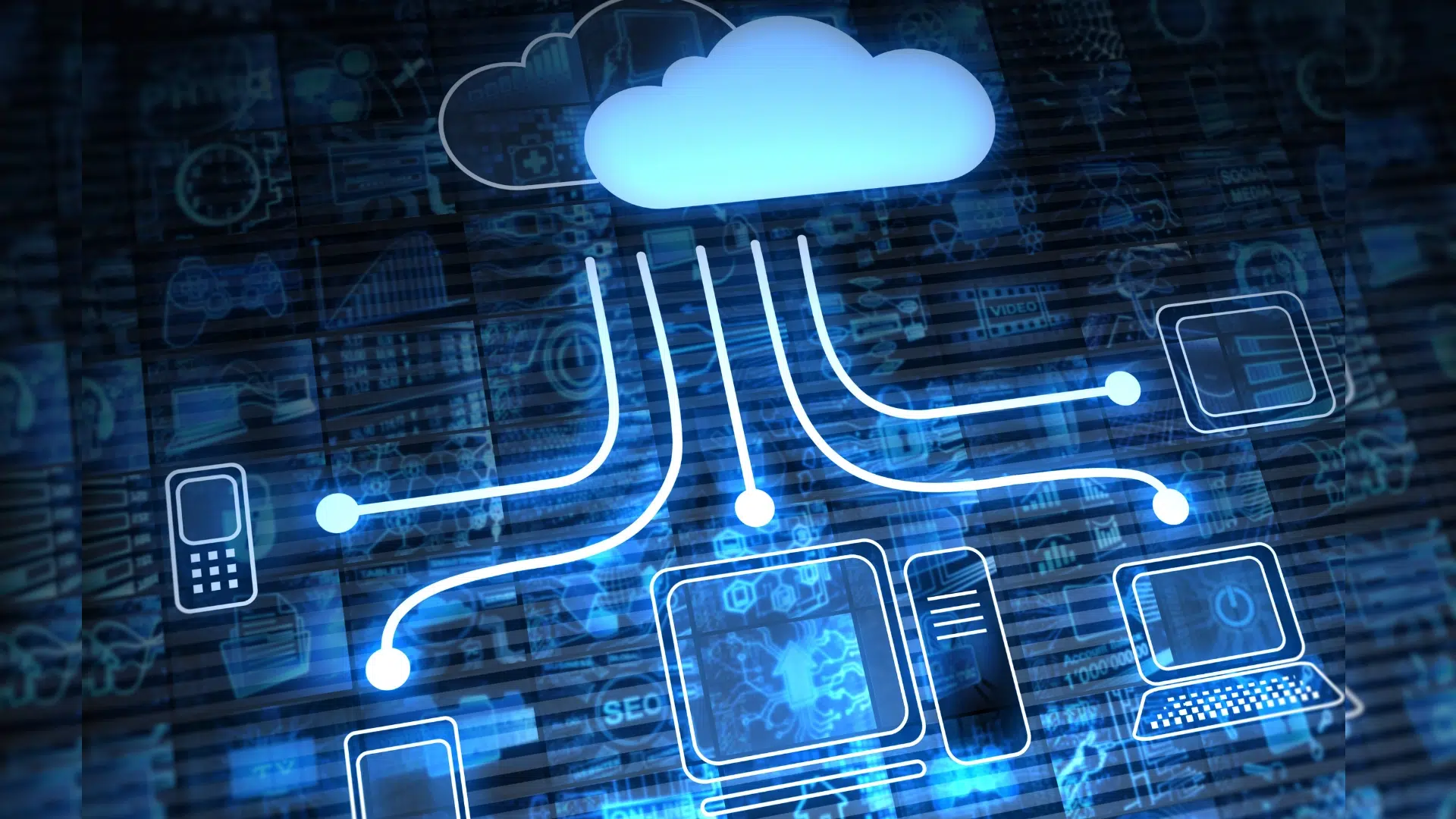
A core challenge is managing the vast and varied data sources that need to be fed into Google SecOps. Google's platform, particularly its SIEM (Security Information and Event Management) capabilities, relies on ingesting data from a wide range of sources—on-premise firewalls, cloud functions, endpoint security tools, and more.
Diverse Data Formats: ISVs must contend with logs and telemetry that come in different formats, each with its own schema and structure.
Data Quality and Consistency: Ensuring the data is clean, consistent, and correctly formatted before ingestion is critical. Misconfigured sensors or fragmented data can lead to detection gaps and "noise," reducing the effectiveness of the security tools.
The Unified Data Model (UDM): Google SecOps uses a UDM to normalize disparate log formats into a common schema. While this is a powerful feature, ISVs are responsible for ensuring their data can be properly mapped and transformed to fit this model. This process requires significant engineering effort to build custom parsers and ensure data integrity.